Studio Spotlight — How MAPPA Became the Most Important Animation Studio
In a decade, MAPPA went from a small spinoff studio to the producer of the biggest anime in the world. The story is more interesting than it seems.
MAPPA was founded in 2011 by Masao Maruyama after he left Madhouse. For most of its first half-decade, it was a quietly respectable mid-tier studio. Then came Yuri on Ice, and everything changed.
The Yuri on Ice inflection point
Yuri on Ice in 2016 was a phenomenon. It was the first MAPPA production to achieve genuine international virality, and it demonstrated something important: the studio could deliver a visually distinctive original anime that audiences cared about deeply.
Banana Fish, Dorohedoro, and the streaming era
The late 2010s saw MAPPA's catalog shift toward darker, more adult productions: Banana Fish, Dororo, Dorohedoro. These were not safe choices, and they paid off. Streaming services, hungry for anime that appealed to older audiences, kept commissioning more.
The Attack on Titan inheritance
When Wit Studio handed off Attack on Titan's final seasons to MAPPA, the move was controversial — but it crystallized MAPPA's position. The studio was now trusted with one of the medium's biggest franchises during its most-watched arc.
Jujutsu Kaisen and the production crisis
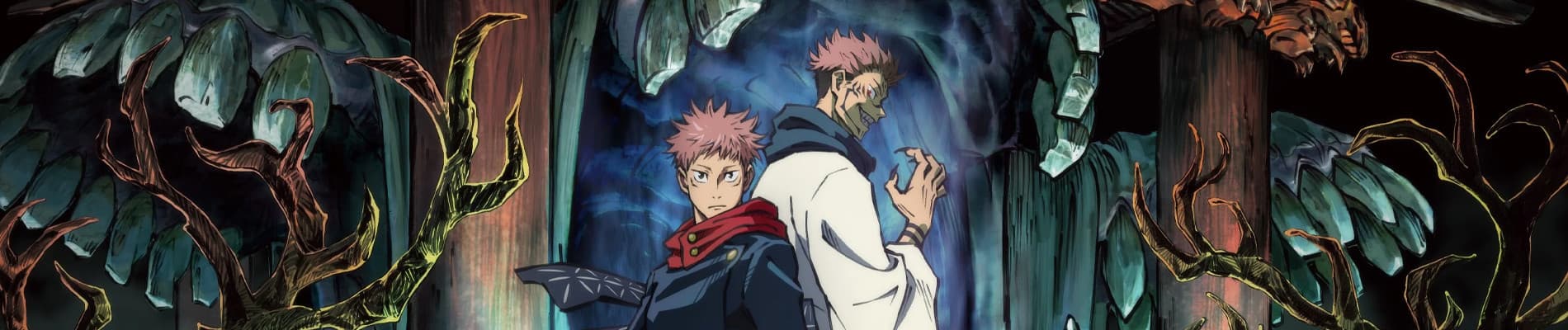
Jujutsu Kaisen made MAPPA a household name. It also made visible the cost: animator burnout, schedule compression, and public reporting on working conditions. MAPPA is now the studio whose every production decision gets scrutinized.
What it means for anime
MAPPA's trajectory shows the industry's larger story in miniature. Demand has outpaced production capacity. Streamers want flagship hits. Animators bear the cost. The studio's next moves — particularly how it manages worker conditions — will set norms for everyone.

